
3 Lessons From Teachable's $40M Creator Mastermind in Rome
We almost said NO to this room.

If you’ve ever talked yourself out of a room because it didn’t seem like your world, this post is for you.
A few weeks ago, our Customer Success Manager at Teachable invited us to an invite-only mastermind in Rome. And our first instinct was to politely decline.
I had a picture in my head of what a mastermind like that would look like.
Marketing bros in expensive (and ugly) sneakers.
Lots of talk about revenue numbers and growth hacks.
A room that feels more like a stage for a few people than an actual conversation.
And that’s not really our world at Write • Build • Scale. We’ve spent the last two years quietly helping over 1,000 creators grow and monetize on Substack, and we care about the work more than the theater around it.
But we said yes to the adventure, and to be honest, it turned out to be the exact opposite of anything I would have expected from a mastermind trip.
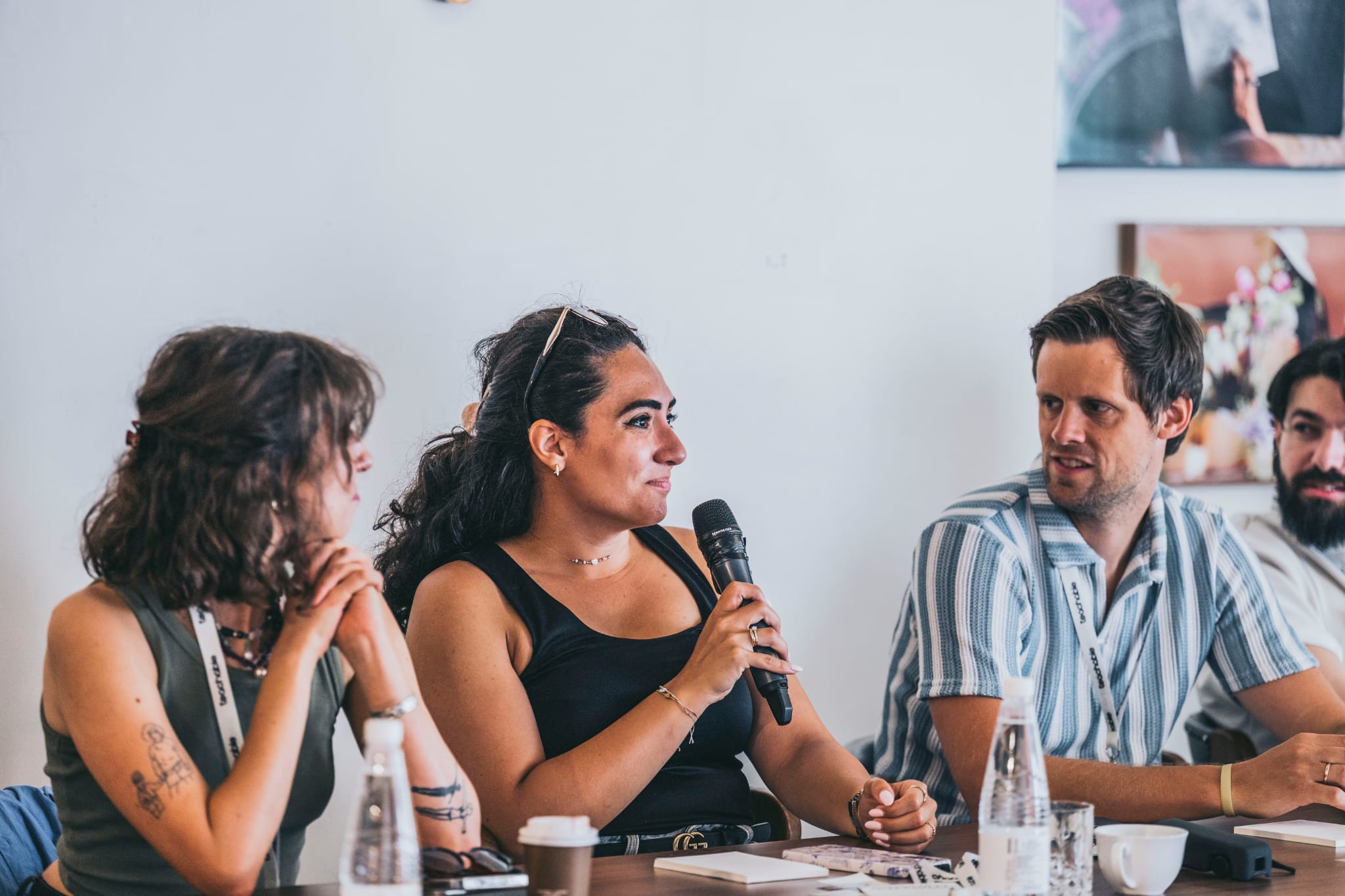
I filmed the whole thing so you can come with us.
If you’re skimming rather than watching, here are the three business reframes I brought home from Rome. Any one of them would have been worth the trip.
The 88% Stat That Changed How I Think About Our Products
There were only a handful of keynotes across the entire content day, and one of them was from the Teachable team itself, and they dropped a number that stopped me mid-sip of coffee:
88% of people who buy an online course on Teachable never open it. Not even once.
Read that again.
For years, my mental model has been: create something great, sell it, then move on to the next great thing. What I keep coming back to now is that the sale is barely the beginning.
The Teachable team walked us through where in the customer journey people are most likely to buy again, which segments matter, and why the more someone actually engages with what you’ve made, the more likely they are to come back and buy the next thing.
These learnings reframe the entire job description for a creator with different products and services.
Our job is not only to sell the course, the workshop, the templates, the paid Substack. It’s to get people to actually USE what they paid for because that’s what makes them come back.
If you’re building anything on Substack right now, this applies to you directly. The article that gets read, the resource that gets downloaded and used, the community post someone actually replies to — those are the moments that turn a one-time paid member into a long-term one.
The Hiring Line I Can’t Stop Replaying
By Day #3 we were out in Frascati, a small village in wine country just outside Rome. Instead of another conference room, we spent the afternoon at a family-run winery, tasting wine and having conversations that just kept going.
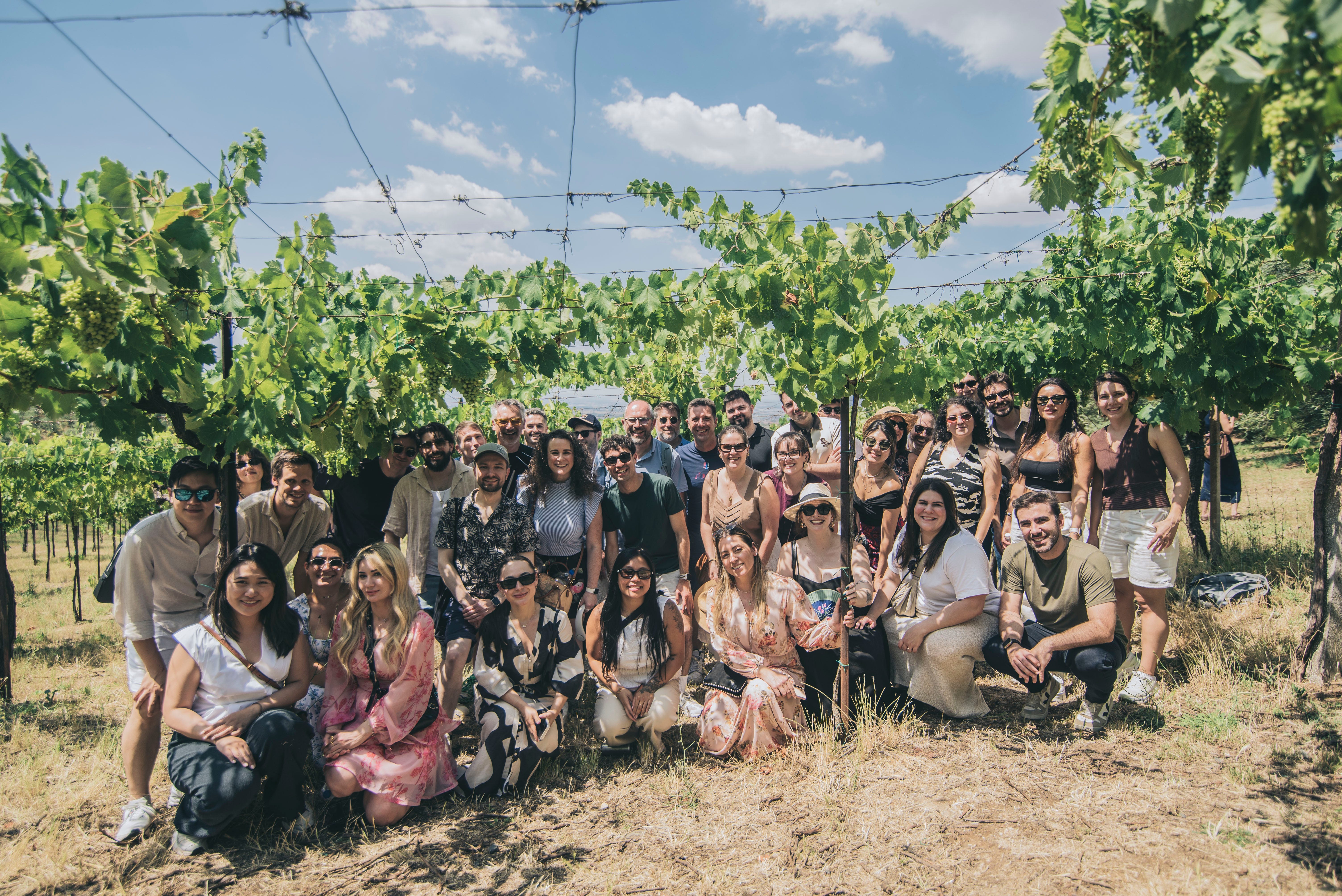
One topic that came up over and over again in our conversations is hiring.
We’re at a point at Write • Build • Scale where we can’t keep going with the freelancer-only setup we’ve had for years. We need to build a team. And honestly, that’s been making me a little nervous.
But one of the creators in the room said something I can’t stop thinking about:
“When you choose good people, you’re not responsible for them.”
This simple line made me realize that the biggest task in front of me isn’t “managing people” right now. It’s getting really clear on who we are, what we’re building, and where we actually need help. If I get that part right, a lot of what I’ve been worried about probably takes care of itself.
The lesson isn’t “hire good people.” Everyone knows that.
The lesson is that your job as the founder is upstream of the hire, not downstream. Get the clarity right, and the management gets easier.

Why I Finally Changed My Mind on Black Friday
I have always hated Black Friday marketing. As a consumer, I hate the way my inbox floods. So for the past decade, we refused to run a Black Friday campaign. We always launched right before, or right after.
And honestly, part of that was me wanting to be the cool person who doesn’t do Black Friday.
But every single creator I talked to over dinner and wine that afternoon was basically saying the same thing: “OF COURSE, you run Black Friday campaigns!”
They even described it as a “money glitch.”
Even with steep discounts, it’s often their highest-earning stretch of the year. People are literally waiting to spend money in those few days.
Sometimes you just need to hear a very obvious thing at the right time, from the right room, for it to finally click.
So heads up: we’re running a Black Friday campaign this year. (And I’ll walk you through exactly how we build it! 🤫)
The bigger lesson underneath is that being the cool person in your industry is often just another version of being stuck. Sometimes the position you’re holding as a principle is actually just an excuse to skip a hard thing.

The Real Lesson From Rome
None of these three reframes required us to fly to Italy.
The 88% stat is on Teachable’s website. Every founder book has a chapter on hiring. And half the internet has already told me to run Black Friday.
The reason I heard them this time is the room.
Sitting across from someone who has quietly sold $10M of a photography course, or built a global aviation training business, changes what you’re willing to consider. Their reality shifts your reality, over three days, in a way no blog post ever will.
That’s the actual lesson: the rooms you’re hesitant to walk into are usually the rooms you should be in. Not because you’ll be the smartest person there. Not because everyone else has it figured out. But because the conversations in those rooms quietly reshape what you think is possible.
If you’ve been sitting on an invitation, a workshop, or a conversation that feels slightly out of your comfort zone, take this as your nudge to just go.

If you’re a coach, consultant, or expert who wants to grow and monetize your Substack with a small group of creators and our direct support, our Substack Accelerator is the room we’ve built for exactly that.
Learn more about Substack Accelerator: substackcoaching.com
P.S. If you want a taste of what Philip actually taught from the stage in Rome, he broke down one specific idea from his keynote for our Substack audience.
The framework is called the 7-11-4 rule, drawn from Google’s Zero Moment of Truth research.
The idea is simple: before someone trusts you enough to buy from you, they need about seven hours of content with you, across roughly eleven meaningful touchpoints, on four different platforms or locations.
It’s the cleanest single explanation we have for why Substack works so well as a trust engine, and it’s the one Philip walked the Rome room through in detail.
Here’s Philip’s full breakdown of the 7-11-4 rule for building trust on Substack:
We often think of compounding as a financial concept, but it may be even more powerful in relationships and community. Every thoughtful conversation, every article, every act of showing up adds another layer of trust. Thank you for sharing these lessons from Rome—they reinforced that idea beautifully.
“…it turned out to be the exact opposite of anything I would have expected…” So the detail I was hanging on…were there really no ugly sneakers? :-)